





Nitrogen Supplement · Powered by Plants
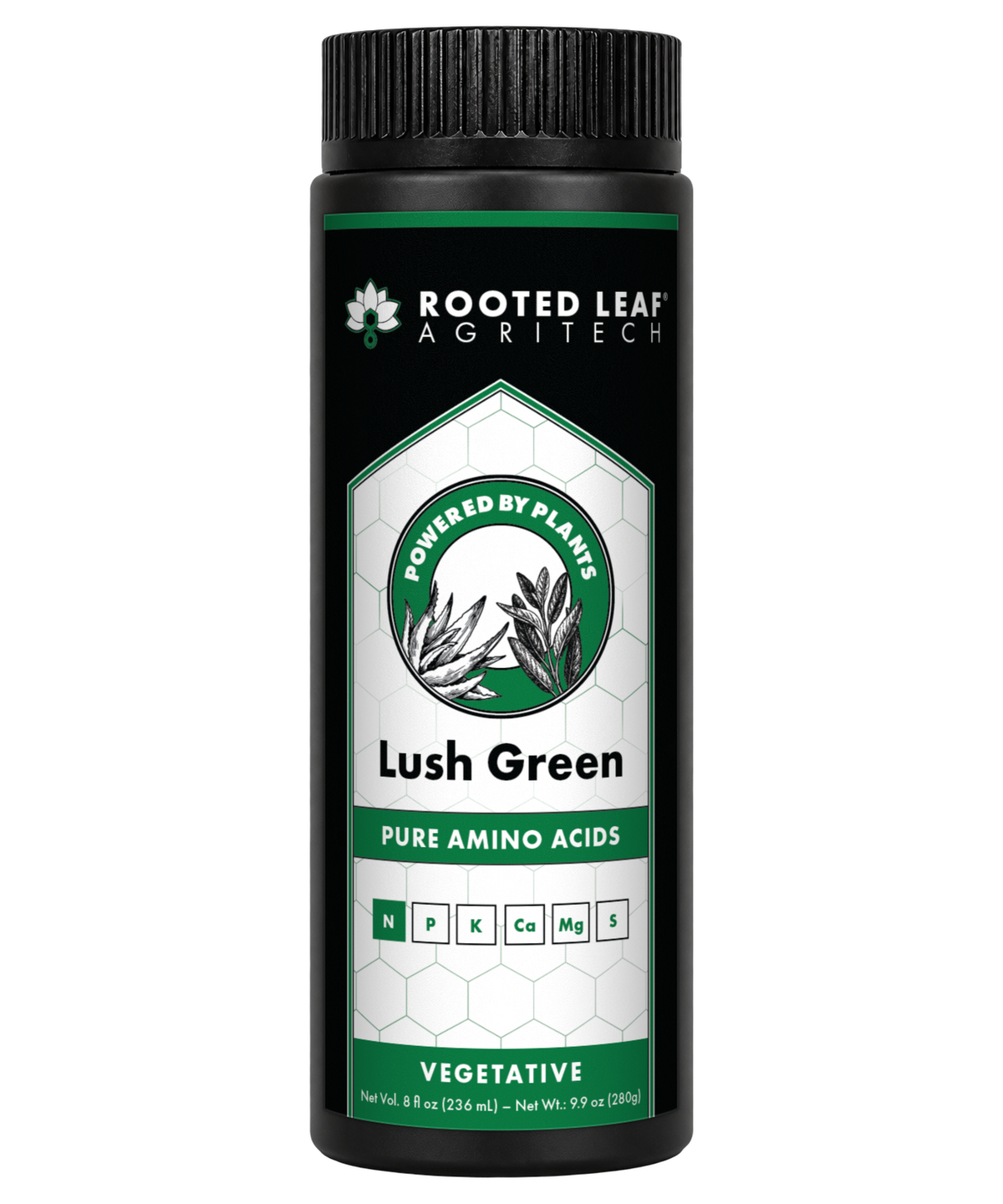
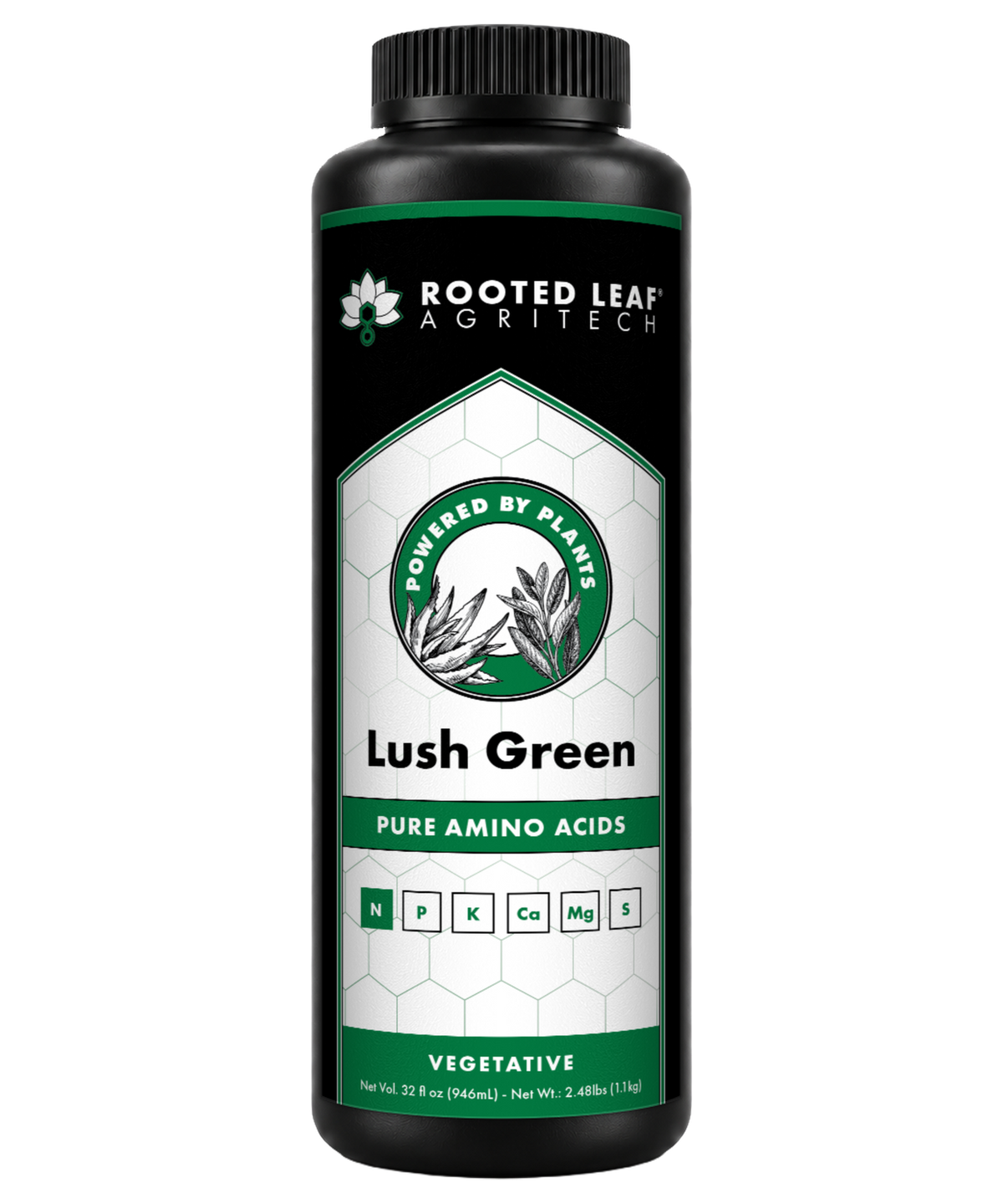
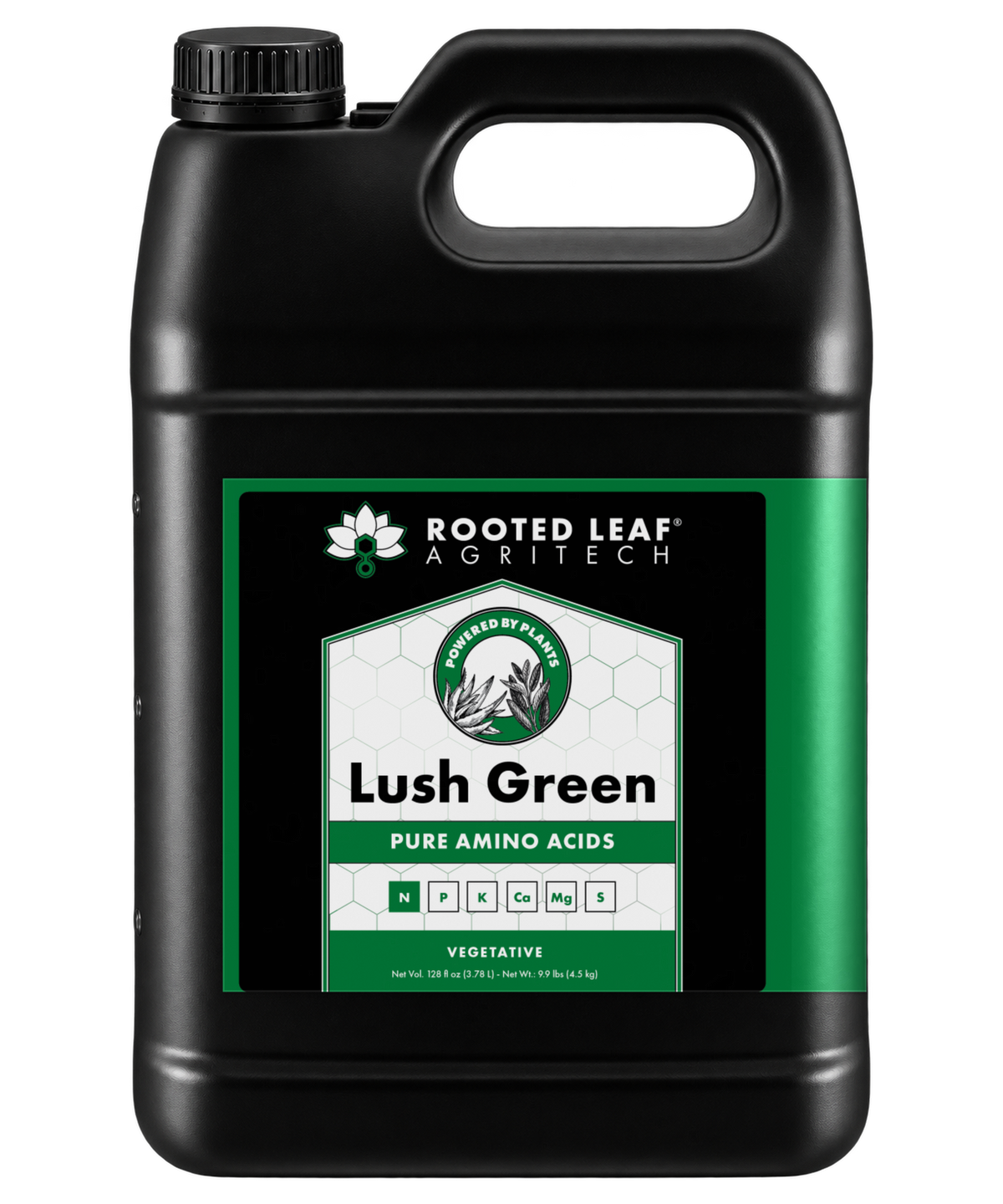
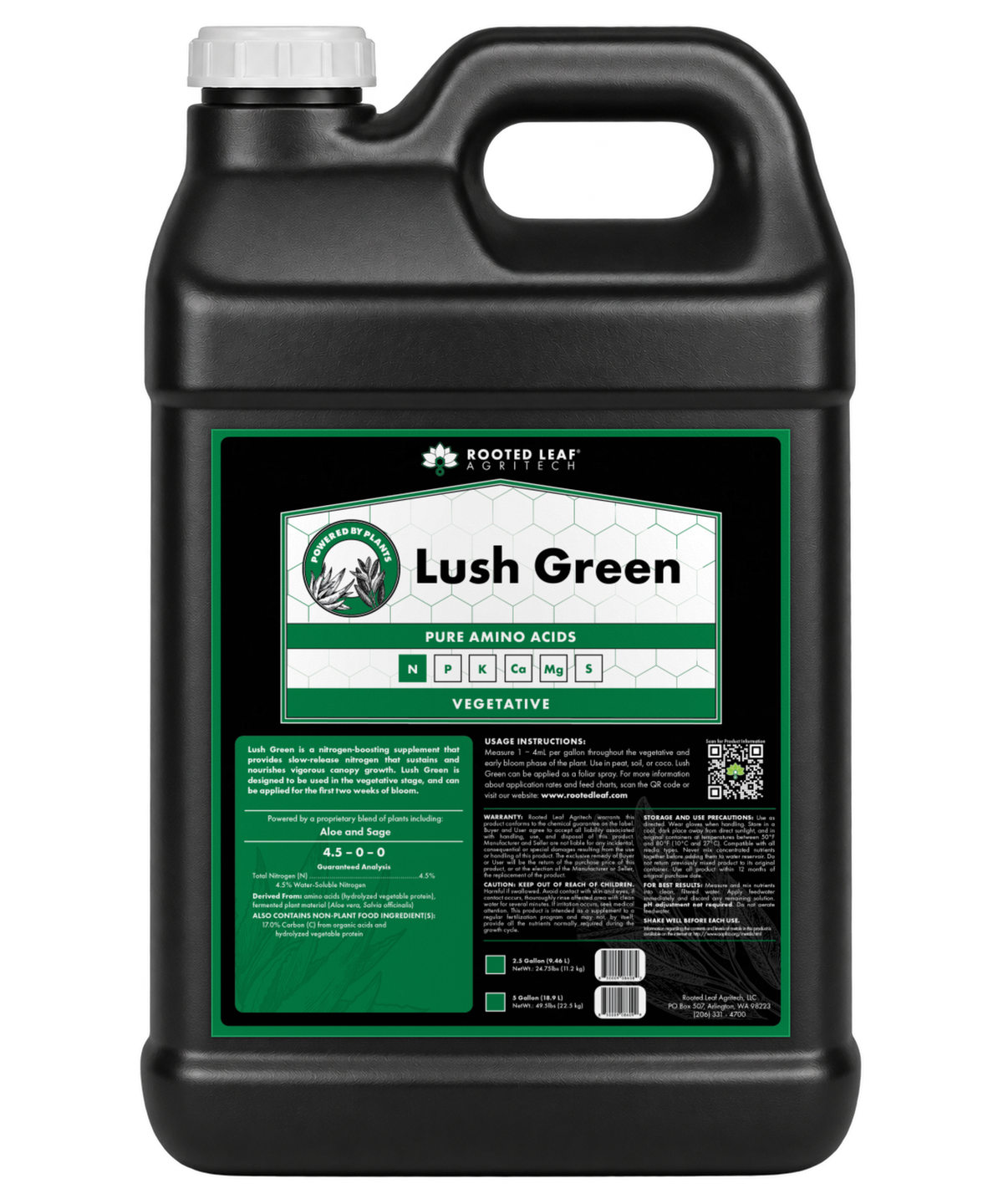
Lush Green
$15.97
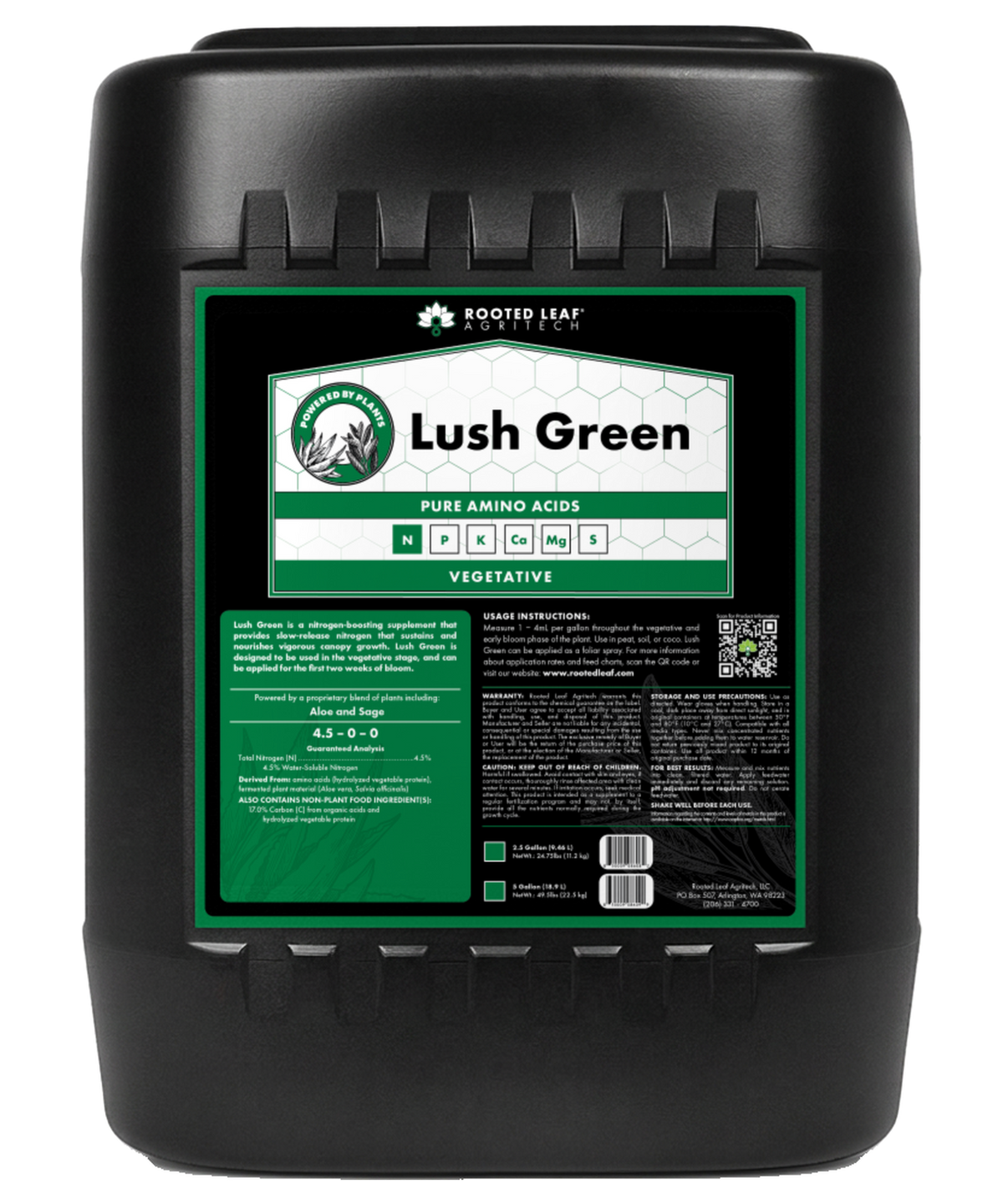
Lush Green is our nitrate-free amino-acid nitrogen supplement for vegetative and early-bloom feeding. We carry its free-form amino-acid nitrogen in a carbon-rich matrix, designed to support root-zone availability through direct plant uptake and microbial processing. At 17% carbon, it is the highest-carbon of our four nitrogen sources.
 Nitrogen
4.5%
 Carbon
17%
With Standard, 2-Day or Overnight shipping, the 5 gal size ships as two 2.5 gal jugs. With Freight, offered at checkout on larger orders, it ships as one 5 gal jug.
Your free Cryo Sil quart is in your cart. Use Add to cart, then check out from your cart, and the quart ships with your order.
Ships within 1-2 business days
Instant answers from GNOME, our grow assistant. Or email info@rootedleaf.com
Lush Green
8oz
$15.97
Carbon, from organic acids and hydrolyzed vegetable protein
CO₂ equivalent, per mL
Concentrate weight
Guaranteed Analysis
Lush Green: Nitrogen Supplement
Total Nitrogen (N)
4.5%
4.5% Water-Soluble Nitrogen
Derived From: fermented plant material (Aloe vera, Salvia officinalis), amino acids (hydrolyzed vegetable protein)
Also Contains Non-Plant Food Ingredient(s):
17% Carbon from organic acids and hydrolyzed vegetable protein
Application Rate
Soil / Coco: 1 to 4 mL/gal
Foliar: 5 to 10 mL/gal
Product Details
Solubility: 100% Water Soluble
pH: No Adjustment Needed
Shelf Life: 12 Months
pH adjustment not required. Compatible with all media types.
How to use it
Use rates and storage
Measure 1 to 4 mL per gallon throughout vegetative and early bloom, in peat, soil, or coco. For a foliar spray, use 5 to 10 mL per gallon. Mix well, no pH adjustment or aeration needed, then apply immediately and discard any leftover solution.
| Application | Rate | Notes |
|---|---|---|
| Soil, peat, or coco | 1 to 4 mL/gal | Per gallon of feedwater |
| Foliar spray | 5 to 10 mL/gal | Per gallon of spray; apply immediately |
pH: No adjustment needed
Feed chart builder
These are starting points. Your water, medium, and growth stage change the math. Get exact numbers for your grow, free, in about two minutes.
You know the how. Here's the why.

Powered By Plants
Nitrogen, Bound to Carbon
Aloe vera holds its water and its amino acids together in a dense inner gel. Mediterranean sage builds its organic acids and aromatic chemistry while rooted in thin, sun-baked soil. Lush Green carries its nitrogen the same way these plants carry their own: bound to carbon, not dissolved as a bare salt.
Powered By Plants

Fermented whole plants supply the carbon-rich amino-acid nitrogen.
Amino-acid building blocks
Special Attributes
Explore amino acids and their roles in plant proteins, nitrogen metabolism and growth.
19 amino acids
Aspartic acid
Leucine
Lysine
Arginine
Alanine
Glycine
Histidine
Hydroxyproline
Isoleucine
Methionine
Phenylalanine
Proline
Serine
Threonine
Tyrosine
Valine
Gamma-aminobutyric acid (GABA)
Tryptophan
Molecular structure
Drag to rotate. Scroll or use +/- to zoom.
Aloe vera
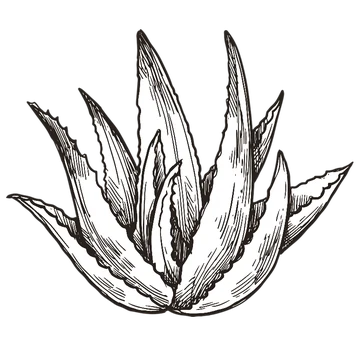
Aloe Vera
Inside every Aloe vera leaf, a clear inner gel holds a dense reserve of mucilaginous polysaccharides, simple sugars, and free amino acids, the plant's own store of building blocks for structure and growth. That thick mucilage is part of what lets the leaf hold water through long, sun-scoured stretches in arid ground. Its amino-acid-rich chemistry is part of what shaped the carbon-bound nitrogen at the center of Lush Green.
Signature molecule: Amino acids
Salvia officinalis
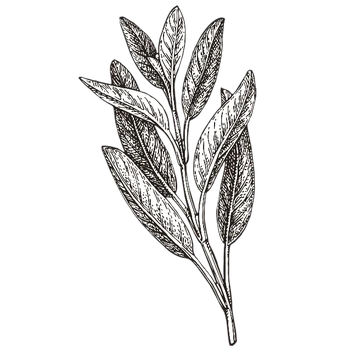
Sage
Salvia officinalis is a low, silver-leaved shrub built for the thin, mineral soils and dry summers of the Mediterranean hillsides. Its leaves carry an aromatic chemistry of monoterpenes and organic acids, compounds the plant manufactures and stores in its own surface glands as part of ordinary metabolism. That same organic-acid backbone echoes the carbon chemistry Lush Green is built on.
Signature molecule: Organic acids
The nutritional science
Growth without the stretch: strong vegetative growth, tight nodes and a canopy you can work with.
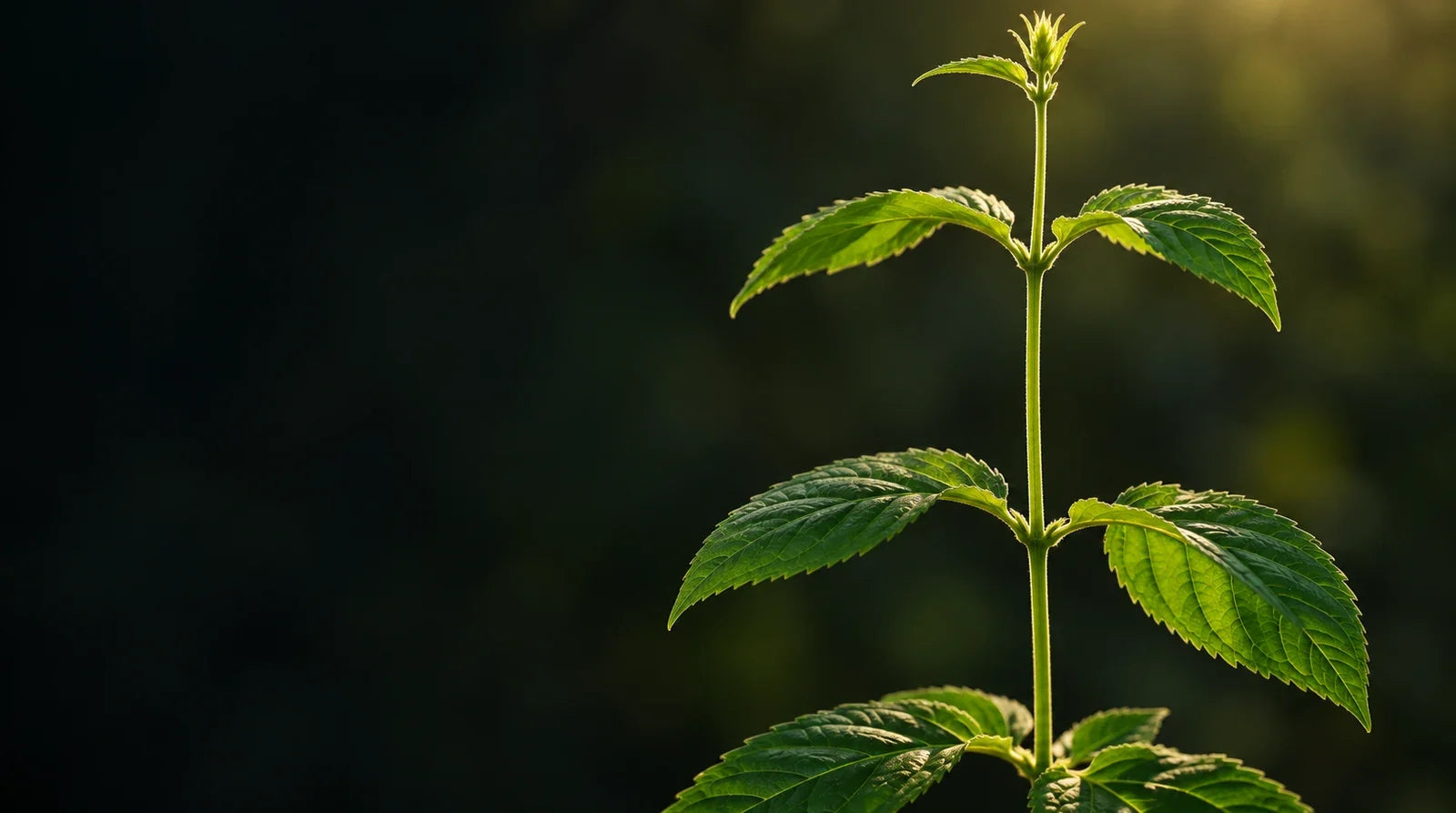
01 Problem
Vigorous growth is easy to push, but even growth is harder to get.
Feed a vegetative crop hard and its growth can get out of control. Internodes lengthen, leaf pairs spread apart along thin stems, and a few tops race ahead of the rest. Under a fixed light, the tallest tops sit closest to the fixture and take the most light, while the shorter plants sit in the shade of the tall ones and stretch to catch up.
Growers then spend weeks topping, tying down and raising lights to manage growth they paid to feed. Holding back the feed to keep plants short only trades stretch for underfeeding, and an underfed plant is not the strong, compact plant anyone wants.
The next panel shows what happens inside the plant.
Each internode lengthens in a short zone below the growing tip, then holds its length. Far-red light from neighboring leaves raises gibberellin, the hormone behind the lengthening, and so does nitrate in the feed. Schematic, not to scale.
02 Mechanism
Stems stretch on a signal, and nitrate is one of the signals.
Each internode, the section of stem between two pairs of leaves, grows in a short zone just below the growing tip and then keeps its length for good. Gibberellin, the hormone that drives stem growth, sets how far each internode lengthens, and nitrate raises gibberellin: besides feeding the plant, nitrate is a signal to grow.
Far-red light reflected from neighboring leaves is another signal to stretch, and young stems respond to it within days, before any real shade arrives. A feed built on fast nitrate salts adds a signal to stretch with every watering, while amino-acid nitrogen arrives without the nitrate signal, in the form the plant already uses to build new leaves, stems and enzymes.
So Rooted Leaf built the formula to work with the plant.
Amino-Acid Nitrogen
Functional Carbon
Nitrate Content

03 Solution
Lush Green feeds strong growth without the nitrate signal to stretch.
Lush Green carries its nitrogen as amino acids in a plant-derived solution of fermented aloe inner fillet and sage, with no nitrate in the bottle. In our growing trials, plants fed Lush Green have grown vigorously with tight node spacing and a strikingly even canopy, and their young leaves come in dark green before they fully open.
Use it through the vegetative stage, when every new internode is setting the length it will keep, as a nitrogen supplement alongside your base feed. In the same trials, mature leaves developed a thicker feel and a glossier surface: the look of a plant that grows hard and keeps its shape.
Strong growth. Tight structure. A canopy you can work with.
Evidence Ballaré et al. (1990) and Camut et al. (2021)
Powered By Plants
Did you know?
Two stories about the plants Lush Green is fermented from.
AloeAloe vera
Aloe Joins the Circuit
In a 2026 study, researchers in Bordeaux, France, used unprocessed aloe vera gel as the electrolyte in experimental organic electrochemical transistors. The gel is mostly water and carries natural mineral ions: calcium, potassium, sodium and magnesium. Those ions moved between the transistor's gate and its channel. The gel did not power the devices; it carried ions. The transistors performed comparably to ones built with a standard laboratory salt solution, and after 100 on-off cycles they still carried more than 96 percent of their original current.
SageSalvia officinalis
Sage at the Roots of Western Medicine
Salerno, in southern Italy, was home to a medieval medical school that a 2004 history calls the oldest of modern civilization. Its Latin poem on health, the Regimen sanitatis, gives sage a chapter that opens: “Why should a man die when sage grows in his garden?” In the Latin text John Ordronaux translated in 1870, the next line answered that against the power of death there is no medicine in the gardens. The genus name Salvia comes from the Latin salvere, to save or to be in good health. These verses are history, not health advice.
Carbon-Bound Nitrogen
Designed to Stay in the Root Zone
Lush Green's entire nitrogen supply comes from free-form amino acids carried on a carbon-rich matrix, rather than nitrate. That composition is what sets it apart: there is no nitrate anion to track through soil or runoff, only carbon-bound nitrogen designed to hold in the root zone.
0%
Nitrate-free nitrogen
100% nitrate-free
Because the formula contains no nitrate, it does not add a nitrate fraction to the feeding program. Nutrient movement still depends on soil type, moisture, and application practices.
Carbon-bound, not a loose mineral salt
Amino acids carry nitrogen within organic molecules. Their behavior in soil differs from nitrate, a mobile anion, and depends on soil conditions and microbial activity.
17% functional carbon, the highest of the four
At 17% functional carbon by weight, Lush Green is the highest-carbon of our four nitrogen sources, in keeping with its carbon-matrix identity.
Built for root-zone and microbial uptake
Free-form amino acids can be taken up directly by root transporters or broken down by soil microbes into plant-available nitrogen, a release pathway distinct from a fast-dissolving nitrate salt.
Nitrate Salt vs. Carbon-Bound Amino Nitrogen
Conventional nitrate fertilizers dissolve instantly into a mobile, negatively charged ion that moves with soil water, often past the root zone before a plant can take it up. Lush Green's nitrogen is carried on a carbon backbone instead, designed to hold in the root zone for direct uptake or microbial processing rather than free anion leaching.
Mobile nitrate ion
Conventional N fertilizer
Carbon-bound amino-N
Lush Green nitrogen
Comparison describes the general soil chemistry of nitrate anions versus carbon-bound organic nitrogen; actual nutrient movement depends on soil type, moisture, and application practices.
Quick Answers
Is Lush Green really nitrate-free?
Yes. Every gram of nitrogen in Lush Green comes from free-form, carbon-bound amino acids, not nitrate. That composition is what drives its carbon-matrix, root-zone-first design.
Will it push soft, leggy growth?
Lush Green is designed to feed nitrogen without pushing soft, stretchy growth the way a fast-dissolving nitrate salt can. Actual growth habit still depends on light, training, and your overall feeding program.
Is Lush Green for veg or bloom?
Nitrogen is primarily a vegetative-stage nutrient, so most growers lean on Lush Green heaviest during veg and taper it back as plants move into bloom, adjusting to their own crop and program.
Can I apply it as a foliar spray?
Yes. Lush Green works as both a soil drench and a foliar spray. Into the medium it is 1 to 4 mL per gallon; as a foliar it is 5 to 10 mL per gallon. Follow the product label for root-zone use and the foliar guidance above for spraying.
Why carbon-bound nitrogen instead of a straight nitrate fertilizer?
Nitrate is a mobile, negatively charged ion that may move with soil water. Carbon-containing amino-acid nitrogen follows different uptake and microbial-processing pathways, designed to support root-zone availability. Results vary with soil, irrigation, and application practices.
How do I store it?
Cool and dark, in the original container, between 50F and 80F. Use it within 12 months of purchase. Gently swirl before use.
What's your return policy?
Unopened products can be returned within 15 days of delivery for a refund of the item price; original shipping isn't refunded. Email info@rootedleaf.com first for a return authorization. Opened products can't be returned. If your order arrives damaged, email us pictures and we'll send a replacement within 1-2 business days of confirming it.
I have a question you haven't answered here.
That's what GNOME is for: it knows the whole Rooted Leaf line, plant science, plant nutrition science, and feed programs for 150+ crops. Tap the Ask GNOME button below and ask away. Prefer a person? Email info@rootedleaf.com or call (206) 331-4700.
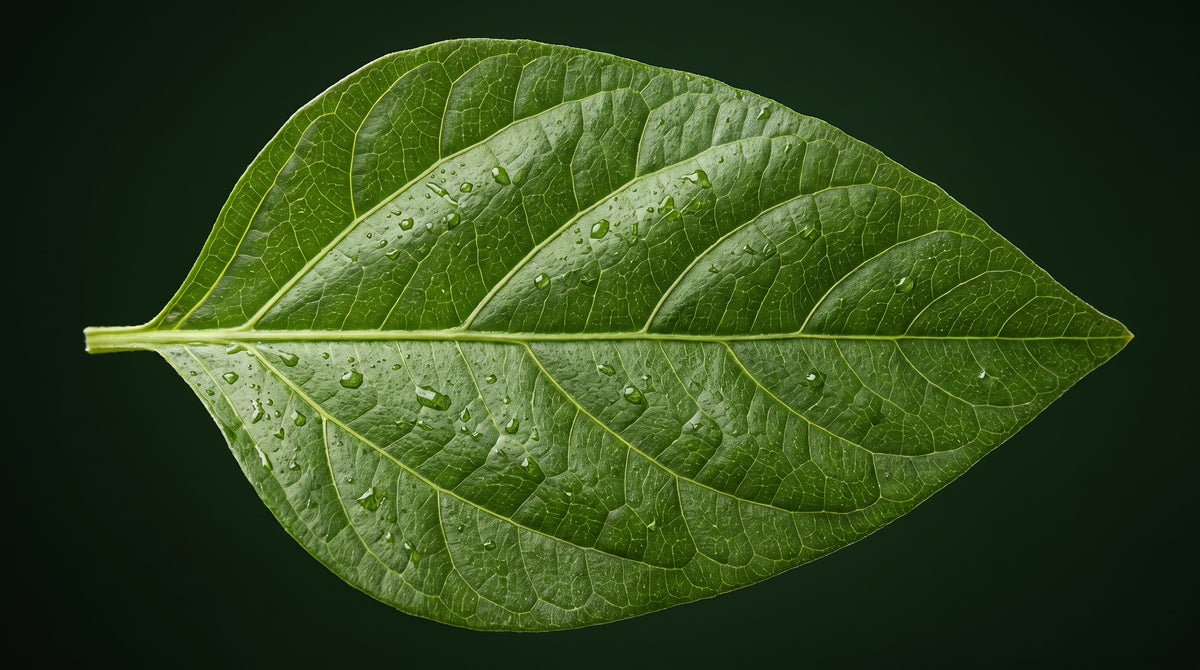
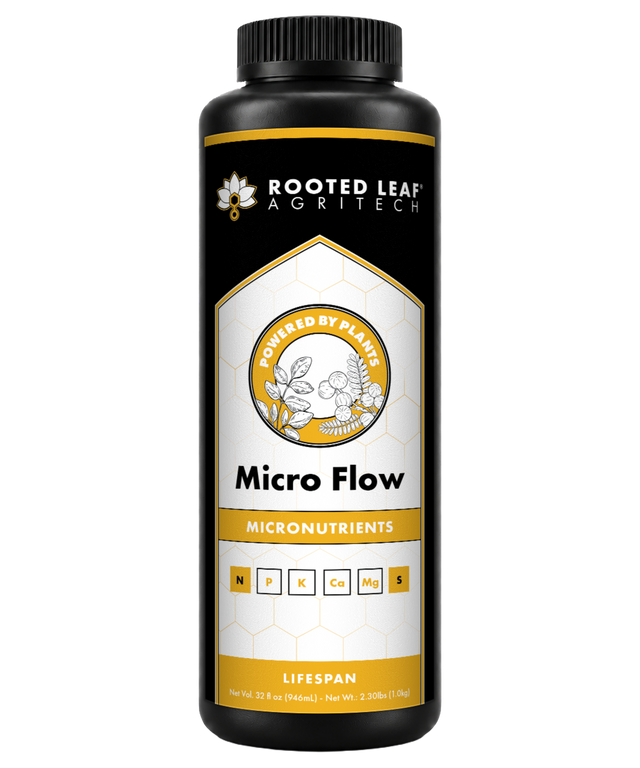
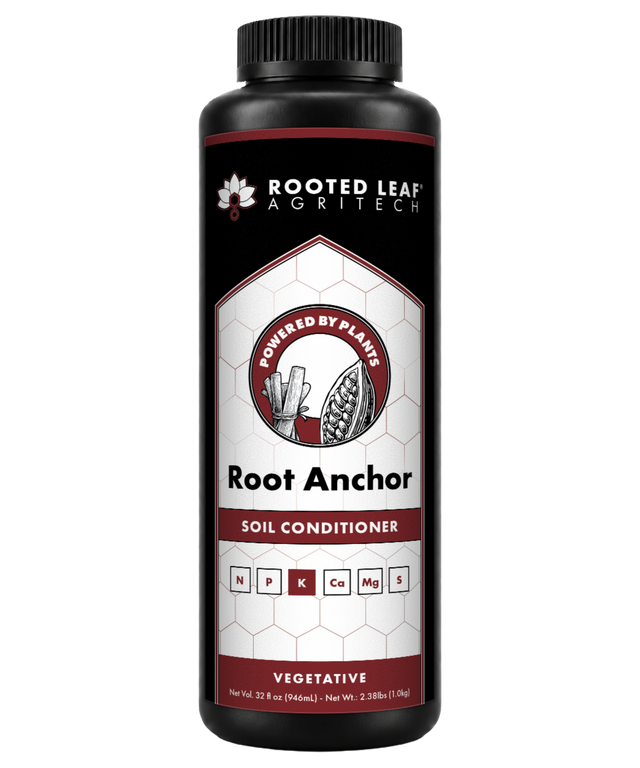
The Rooted Leaf lineup
Complete Your Program
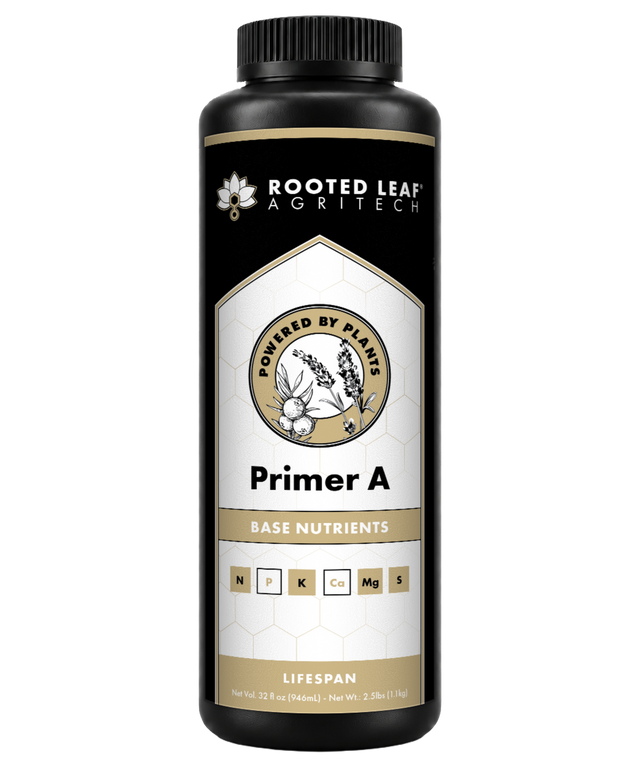
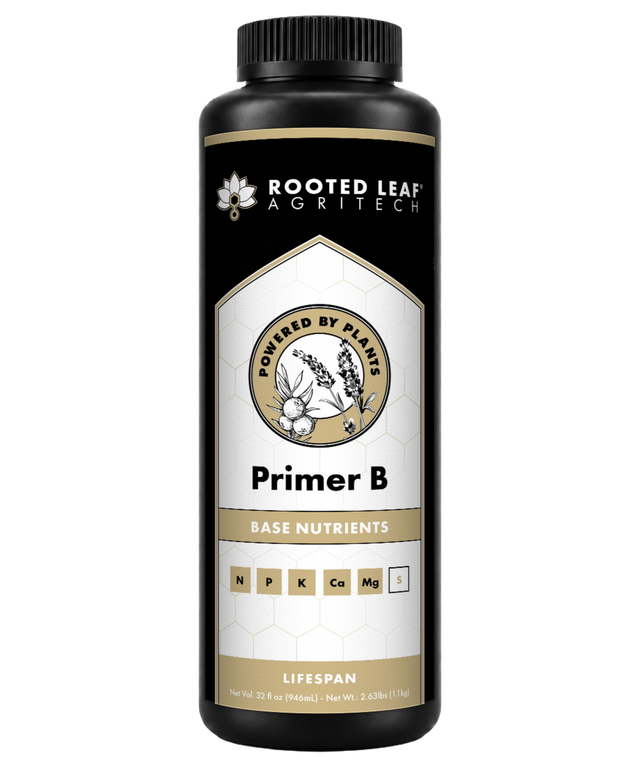
Primer B
Part B of the base feed every program builds on: nitrogen, phosphorus and calcium.
From $9.97
Policies and reference
Disclaimers
Guidance from GNOME and this page is educational and general. Plant results vary with crop, environment, water, and program, and nothing here is a guarantee of specific results.
100% made by us, from whole plant to final bottle. We manufacture all of our own chelates and complexes from scratch, and quality-check every batch. If an order arrives damaged or is not right, contact us and we will make it right.
Shipping policy · Refund and returns · Terms of service · Safety data sheet · Heavy metals test results
Full guaranteed analysis
Guaranteed Analysis Total Nitrogen (N) 4.5%
4.5% Water-Soluble Nitrogen
Derived From: fermented plant material (Aloe vera, Salvia officinalis), amino acids (hydrolyzed vegetable protein)
Also contains non-plant food ingredient(s) 17% Carbon from organic acids and hydrolyzed vegetable protein
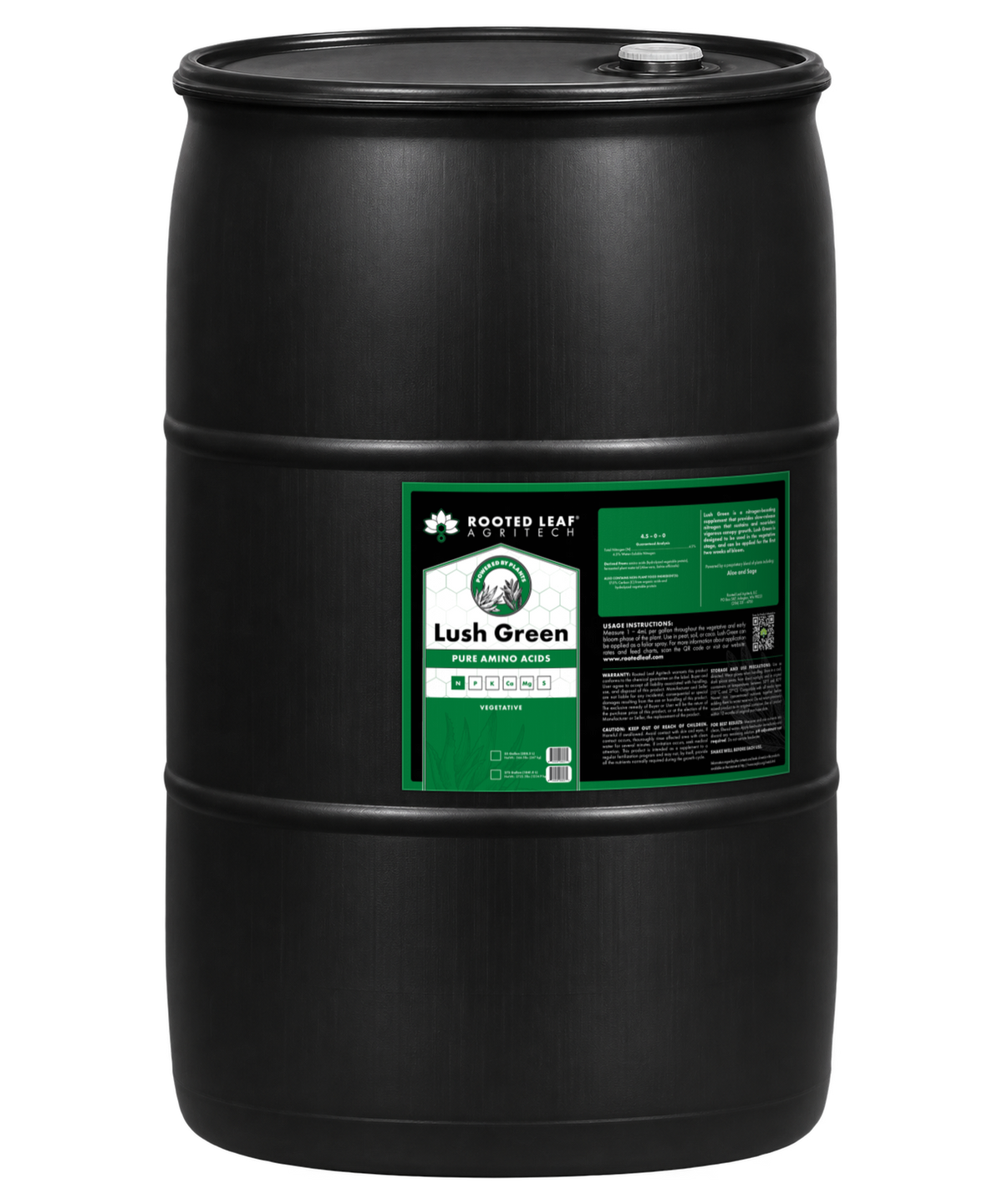
1 Gallon (3.78L) 128oz. Net weight 9.8 lbs (4.4kg).
This product is intended as a supplement to a regular fertilization program and may not, by itself, provide all the nutrients normally required during the growth cycle.
Technical Data
Storage and use Store in a cool, dark place away from direct sunlight, in the original container, between 50°F and 80°F (10°C and 27°C). Compatible with all media types.
Mixing Never mix concentrated nutrients together before adding them to the reservoir. pH adjustment is not required. Do not aerate feedwater. Gently swirl before each use. Apply immediately and discard any remaining solution.
Use all product within 12 months of the original purchase date.
pH range
Solubility
Shelf life (months)
Shipping & Storage
Processing Orders ship within 1-2 business days and typically arrive within 5 days in the US. We ship to the US, Canada and the other countries listed at checkout.
Methods Standard, 2-Day and Overnight shipping, with the rate for your address shown at checkout. International orders ship with duties and import taxes paid at checkout.
Storage Store in a cool, dry place away from direct sunlight. Shelf life: 12 months.
Note With Standard, 2-Day or Overnight shipping, the 5 gal size ships as two 2.5 gal jugs. With Freight, offered at checkout on larger orders, it ships as one 5 gal jug.
Shipping, returns, and product questions: the fastest answer is GNOME. Tap the Ask GNOME button below.
-
Shipping
Orders ship within 1-2 business days and typically arrive within 5 in the US. Choose Standard, 2-Day or Overnight shipping at checkout. International orders ship with duties and import taxes paid at checkout.
With Standard, 2-Day or Overnight shipping, the 5 gal size ships as two 2.5 gal jugs. With Freight, offered at checkout on larger orders, it ships as one 5 gal jug.
-
Returns & Damaged Orders
Unopened products: return within 15 days of delivery for a refund of the item price; original shipping isn't refunded. Email us first for a return authorization. If your order arrives damaged, email pictures and we'll send a replacement within 1-2 business days of confirming it.
-
Talk to Us
Ask GNOME in the chat for instant answers, or reach the team at info@rootedleaf.com / (206) 331-4700.
Lush Green
Grower reviews
Grown with Lush Green? Tell other growers how it went.
No reviews yet
Be the first grower to say how Lush Green worked for you. We'll email you a review link for your order.