
Feed programs get discussed in terms of nitrogen, phosphorus and potassium. Weigh what you actually harvest, though, and the picture shifts: the compounds a crop is judged on, the aroma, the flavor, the resin, the color, are built mostly of carbon.

This piece puts numbers on that idea: the carbon share of the molecules you are really growing for, where the minerals fit, and what changes when carbon itself is something you can feed.

Leave a comment

Please note, comments need to be approved before they are published.

This site is protected by hCaptcha and the hCaptcha Privacy Policy and Terms of Service apply.

Why carbon

The carbon behind color, aroma and flavor.

Color, aroma and flavor all have carbon-rich molecules behind them. These compounds make up a small share of a harvest by weight, yet they can play a large part in how we value it.

Carbon share of dry molecule weight

Carotenoids and terpenes are roughly twice as carbon-rich as cellulose. Anthocyanins, the pigments in grapes and berries, still carry more carbon than cellulose. Carbon by weight, calculated from molecular formula.

What you grow for

Carotenoidscolor and appearance
89%
Terpenesaroma and flavor
88%
Anthocyaninsberry and grape color
63%

Structure that carries it

Lignin
67%
Cellulose
44%

Minerals build the machinery that turns carbon into the crop.

Nitrogen, phosphorus, potassium, calcium, magnesium: every one matters, and most of the nitrogen you feed ends up inside Rubisco or chlorophyll, the enzyme and the pigment a plant uses to capture carbon.

Bulk carbon is measured by quantity, while functional carbon is chosen for the job its molecular shape can do.

Growers pay close attention to carbon, including the CO2 available to leaves. Here, we're looking more closely at the carbon-containing molecules in our fertilizer formulas and the jobs they're chosen to do.

That is the matrix: specific compounds, each selected for a specific job, rather than carbon by the pound.

Hold

A carbon-based organic acid wraps a mineral in a chelate, designed to keep it soluble instead of locking up in the soil.

Free

The same class of molecules roots release to free phosphorus and iron that the soil had bound.

Build

Small defined carbon molecules can be taken up and routed into the pathways a plant builds itself with.

The matrix adds no energy of its own; it is built to help a plant use the energy already moving through it.

An illustration of where this chemistry acts, not a field result.

Start with a kit

Our Trial Kit introduces nine formulas; our Grower Kit includes all ten, with larger bottles across the core program. Compare the included products and sizes below to find the right fit for your grow.

Trial Kit

Try nine Rooted Leaf formulas: 32 oz bottles of Primer A and Primer B, plus seven 8 oz bottles.

  • Primer A 32oz
  • Primer B 32oz
  • CalMag Fuel 8oz
  • Cryo Sil 8oz
  • Root Anchor 8oz
  • Lush Green 8oz
  • Peak Bloom 8oz
  • Resin Bloom 8oz
  • Solar Rain 8oz
Total Bottles bought separately: $129.77 $99.97

Grower Kit

All ten formulas: eight 32 oz bottles, plus Solar Rain and Micro Flow in 8 oz bottles.

  • Primer A 32oz
  • Primer B 32oz
  • CalMag Fuel 32oz
  • Cryo Sil 32oz
  • Lush Green 32oz
  • Root Anchor 32oz
  • Peak Bloom 32oz
  • Resin Bloom 32oz
  • Solar Rain 8oz
  • Micro Flow 8oz
Total Bottles bought separately: $230.74 $199.97

Keep reading

View all

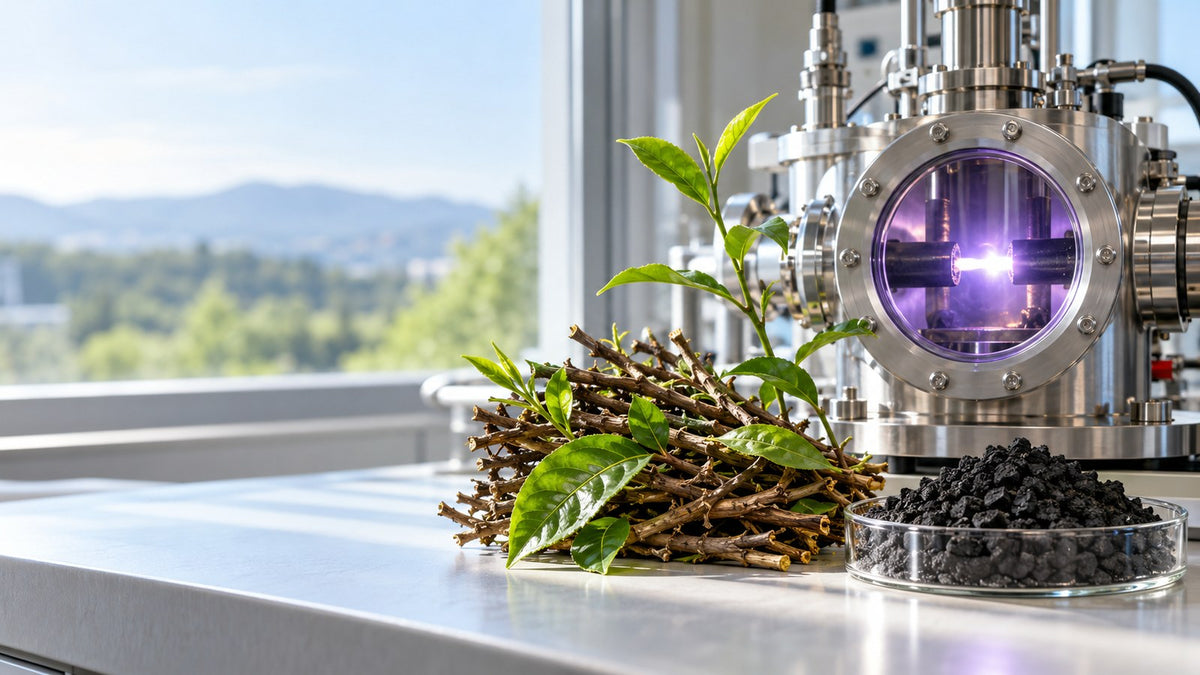
Fresh tea leaves and a bundle of pruned tea twigs on a laboratory bench beside an arc-plasma chamber glowing violet, with a glass dish of black activated carbon granules

Tea's Plasma Plot Twist

Researchers used arc plasma to make a carbon-dioxide adsorbent from tea-twig waste. This article explains how the carbon was made and describes the microscopic surfaces inside it.

Read moreabout Tea's Plasma Plot Twist

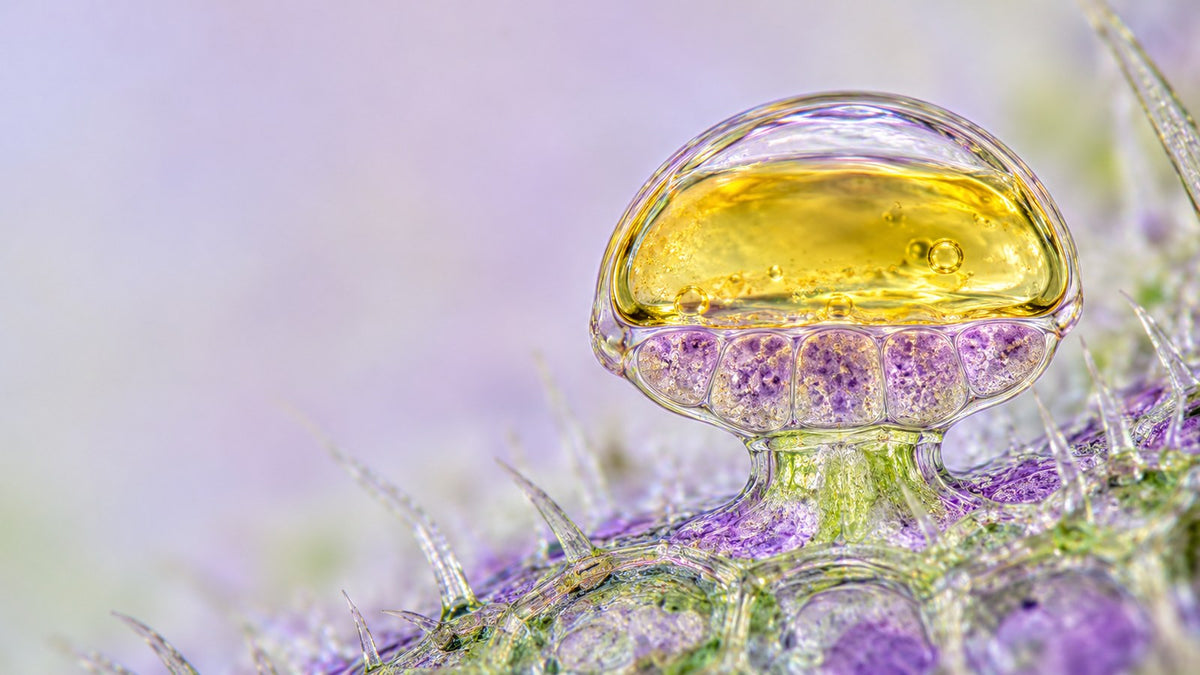
A magnified lavender oil gland on the calyx surface: a golden pool of oil held under a clear cuticle dome, above a row of secretory cells on a short stalk

Lavender's Hidden Laboratories

Microscopic lavender glands make aromatic compounds and store oil above their secretory cells. Follow the research from flower anatomy and scent-making enzymes to a standardized oral lavender-oil preparation studied in a human trial.

Read moreabout Lavender's Hidden Laboratories

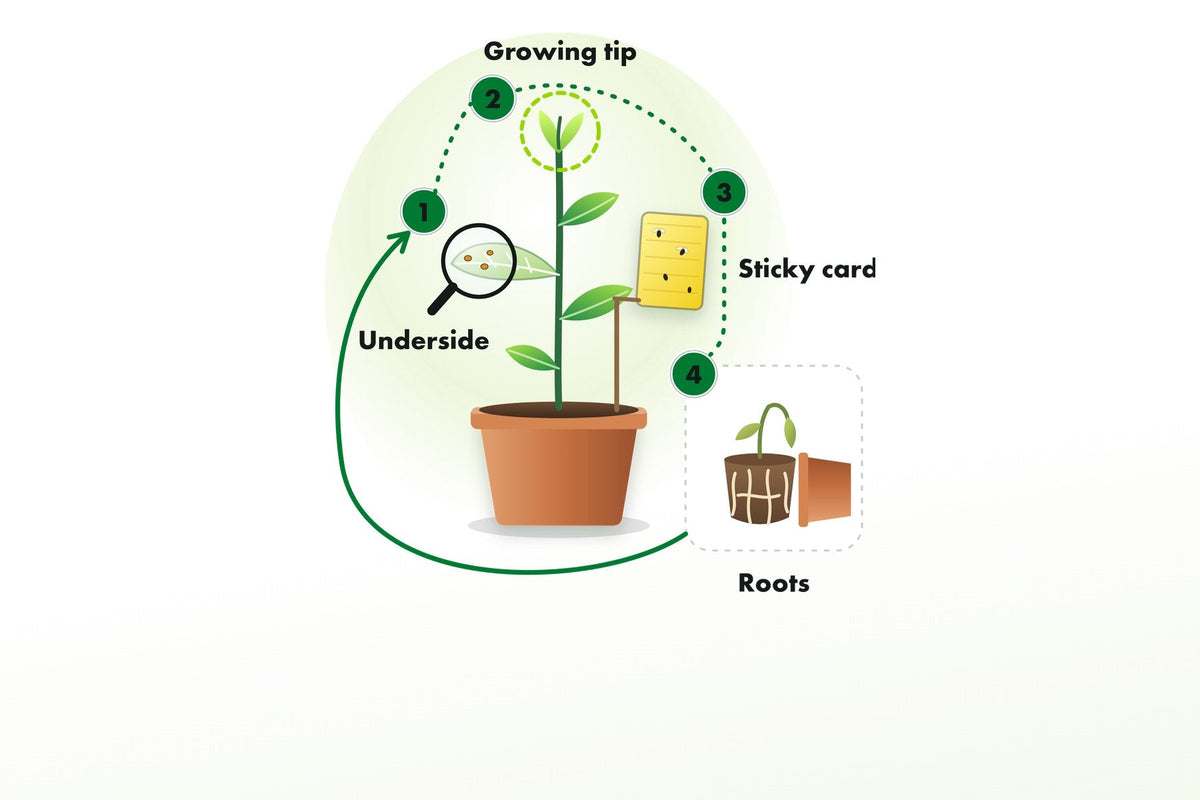
A scouting circuit around a potted plant with four numbered checks: leaf undersides under a hand lens, the growing tip, a yellow sticky card and the roots.

Common pests and diseases: prevention and first response

Preventing problems, scouting for them and responding gently first.

Read moreabout Common pests and diseases: prevention and first response